Essential Guide to Antenatal Nutrition

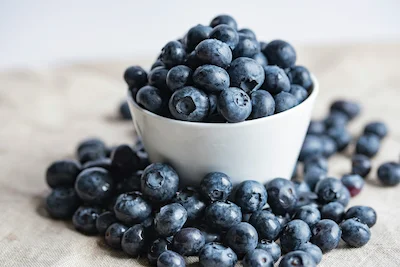
A bowl of blueberries is a healthy and delicious way to boost your vitamin C intake during pregnancy.
Navigating pregnancy nutrition does not have to be overwhelming. Let us explore how to nourish yourself and your growing baby with confidence, focusing on practical tips and essential nutrients that make a real difference in your pregnancy journey.
The foundation: your daily nutritional needs
During pregnancy, your body has unique nutritional requirements, but this does not mean completely overhauling your diet. Here is what you really need to know about eating for two:
- You need only about 300-400 extra calories per day, and mainly in the second and third trimesters
- Focus on nutrient-dense foods rather than just increasing portion sizes
- Stay hydrated with 8-10 glasses of water daily
Remember: The old advice to "eat for two" is outdated. Instead, think about eating twice as well, not twice as much. Quality matters more than quantity.
Essential nutrients for pregnancy
Your body needs specific nutrients to support your baby's development. Here are the key players:
- Folic Acid: Critical for preventing neural tube defects, aim for 400-800 micrograms daily
- Iron: Supports your increased blood volume and prevents anaemia
- Calcium: Builds your baby's bones and teeth while maintaining yours
- Omega-3 Fatty Acids: Essential for brain and eye development
- Vitamin D: Helps with calcium absorption and immune function
Smart food choices
Build your meals around these nutrient-rich food groups:
- Proteins: Lean meats, eggs, legumes, and dairy products
- Complex Carbohydrates: Whole grains, fruits, and vegetables
- Healthy Fats: Avocados, nuts, seeds, and olive oil
- Dairy or Alternatives: For calcium and vitamin D
Food Safety Alert: Some foods need special attention during pregnancy. Always ensure:
- Thoroughly wash fruits and vegetables
- Cook meat until well done
- Avoid unpasteurised dairy products
- Skip raw or undercooked seafood
Managing common challenges
Pregnancy can bring nutritional challenges. Here is how to handle them:
- Morning Sickness: Start with small, frequent meals and stay hydrated
- Food Aversions: Find alternative sources for important nutrients
- Heartburn: Eat smaller meals and avoid lying down after eating
- Constipation: Increase fibre and water intake
Supplements and vitamins
While a balanced diet is crucial, certain supplements are recommended:
- A high-quality antenatal vitamin
- Additional folic acid in early pregnancy
- Vitamin D supplements (10 micrograms daily)
- Iron supplements if recommended by your midwife, GP or Consultant
Frequently asked questions
No, the idea of "eating for two" is a myth. For most of your pregnancy, your calorie needs stay the same. You generally only need an extra 300–400 calories per day during the second and third trimesters. It is more important to focus on the quality and nutrient density of your food rather than the quantity.
The most critical supplements are Folic Acid (to prevent neural tube defects) and Vitamin D (for bone health and immunity). Most women benefit from a high-quality antenatal multivitamin. Depending on your blood tests, your consultant or midwife may also recommend iron or calcium supplements tailored to your specific needs.
To protect against bacteria like listeria and salmonella, you should avoid unpasteurised dairy, soft mould-ripened cheeses (like Brie), raw or undercooked meat and eggs, and raw shellfish. It is also important to wash all fruits and vegetables thoroughly and limit high-mercury fish such as swordfish or marlin.
If you are struggling with nausea, try eating small, frequent meals rather than three large ones. Focus on bland, easy-to-digest carbohydrates and stay hydrated with small sips of water throughout the day. If you cannot keep any food or fluids down for 24 hours, contact your healthcare provider immediately.
Yes, Omega-3 fatty acids, particularly DHA, are essential for the healthy development of your baby’s brain and eyes. You can find these in oily fish (like salmon), walnuts, and chia seeds. If you do not eat fish, you might consider a plant-based algae oil supplement after consulting with your doctor.
Final thoughts
Remember that every pregnancy is unique, and what works for one person might not work for another. Listen to your body and trust your instincts about what feels right for you and your baby.
Focus on making sustainable, healthy choices that you can maintain throughout your pregnancy. Small, consistent steps toward better nutrition can make a real difference in your and your baby's health.
If you would like detailed nutritional guidance tailored to your specific needs, or have concerns about maintaining optimal health throughout your pregnancy, my team and I would be happy to help.